The Occult Reinvention of Tarot: Enlightenment Speculation, Nineteenth‑Century Esotericism, and the Birth of a Modern Myth

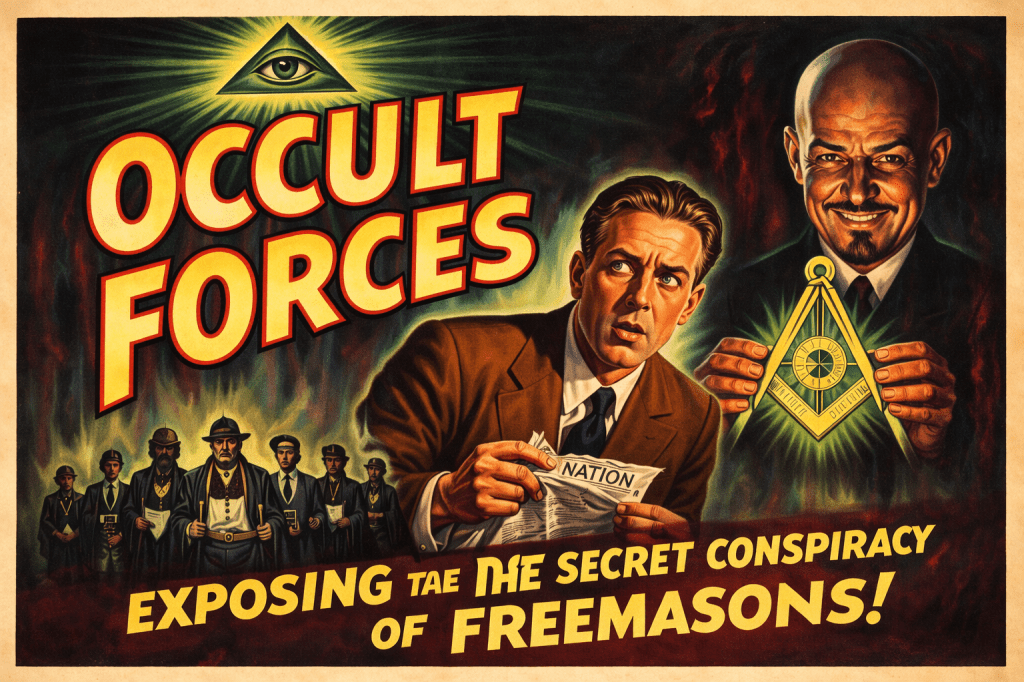
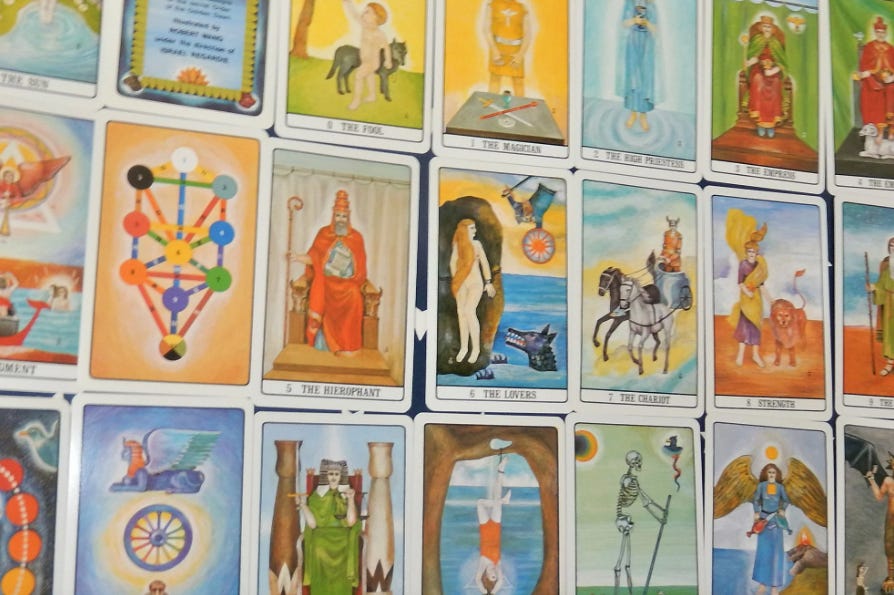
Tarot’s reputation as a repository of ancient mystical wisdom is a relatively recent construction. The images themselves originated in Renaissance Europe, but the belief that they conceal esoteric teachings from Egypt, Kabbalah, or other primordial traditions was shaped centuries later. To understand how tarot acquired this new identity, we must examine the intellectual and cultural forces of the eighteenth and nineteenth centuries—an era defined by … Continue reading The Occult Reinvention of Tarot: Enlightenment Speculation, Nineteenth‑Century Esotericism, and the Birth of a Modern Myth

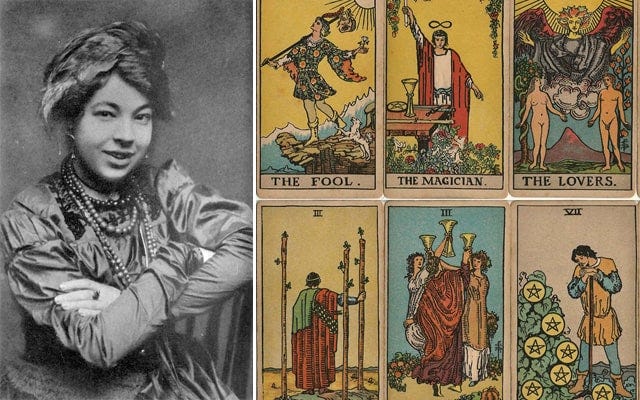
The Rider–Waite–Smith Revolution: How a Modern Deck Redefined Tarot

By the early twentieth century, tarot had acquired an elaborate symbolic scaffolding built by Enlightenment speculators, Romantic mystics, and the occult societies of Victorian Europe. Yet despite all these reinterpretations, the cards themselves had changed very little. Most readers still used Marseille-style decks with their plain pip cards and medieval iconography. If tarot was to become a genuinely readable system for the modern world—intuitive, accessible, … Continue reading The Rider–Waite–Smith Revolution: How a Modern Deck Redefined Tarot

Token Gravity

Most people think interacting with an AI is little more than typing inputs into a machine. You press keys, the model processes “tokens,” and you get a reply. The whole thing sounds mechanical, almost insultingly simple. But anyone who has spent serious time working inside these systems knows that this description misses the actual experience by a mile. A token is not just a unit … Continue reading Token Gravity

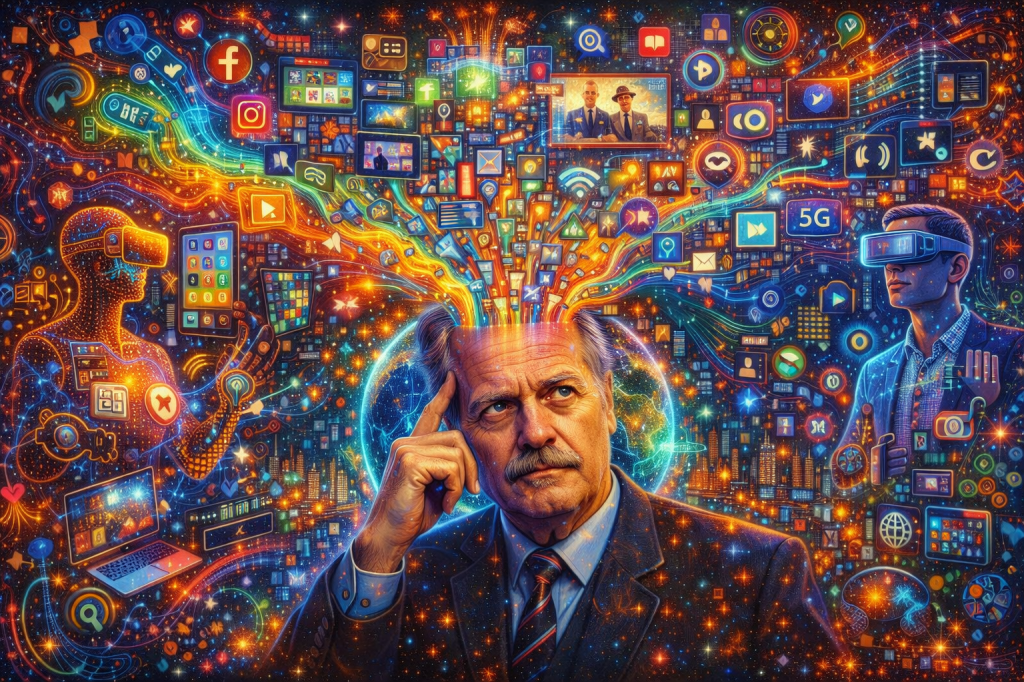
Neo’s Trinity

Public conversations about artificial intelligence tend to split into two extremes. On one end are the people who are not deeply engaged with digital technology—the workers whose daily routines resemble those of thirty years ago. They are not saturated in online culture, they do not follow debates about alignment or machine consciousness, and they do not think in terms of cognitive augmentation. Their reaction to … Continue reading Neo’s Trinity

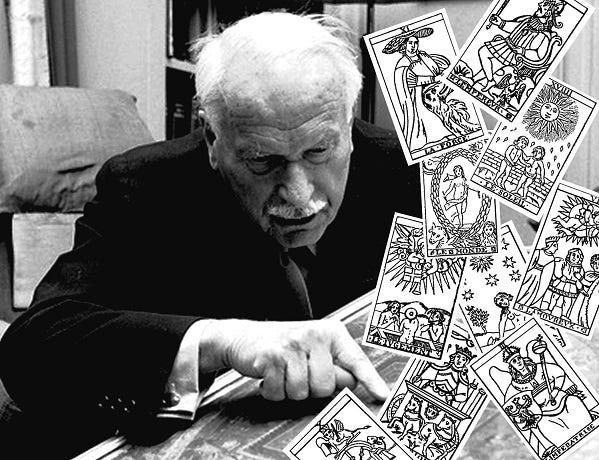
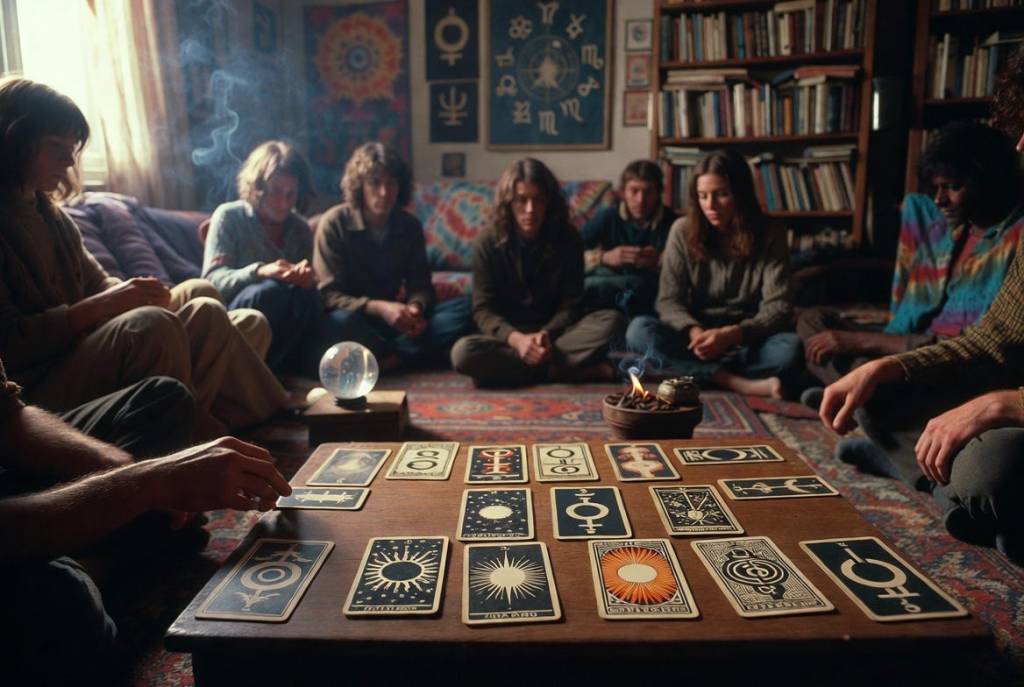
Tarot in the Modern Imagination: Psychology, Counterculture, and the Making of a Global Symbol System

By the dawn of the twentieth century, tarot had already passed through two major transformations. First, it emerged in Renaissance Italy as an elegant card game reflecting the allegorical imagination of its age. Then, centuries later, it was reinterpreted by Enlightenment amateurs and Victorian occultists who projected ancient lineages onto imagery never meant to bear such weight. But if tarot’s first life was cultural and … Continue reading Tarot in the Modern Imagination: Psychology, Counterculture, and the Making of a Global Symbol System

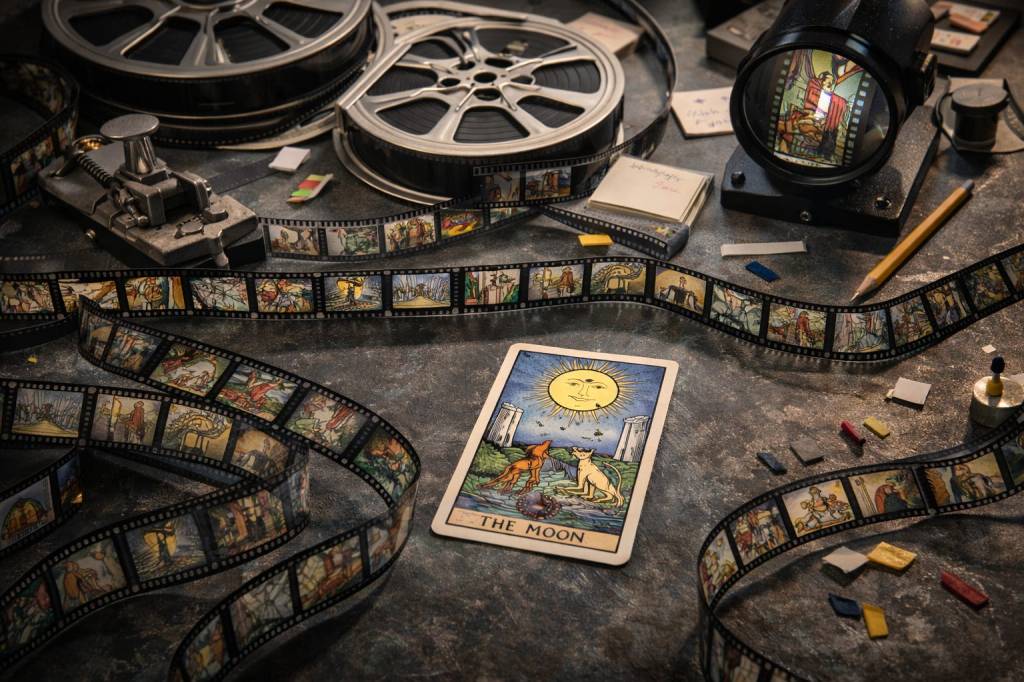
Cinema, Tarot, and the Collapse of Possibility

At some point, tarot stopped being confined to physical cards. This isn’t meant as a poetic claim—it’s a structural one. Tarot originated as a tangible interface, but the function it served eventually outgrew the physical object. What persisted was not the deck itself, but the underlying action: the draw. The term draw is unusual because it operates as both a verb and a noun. You draw a card, and … Continue reading Cinema, Tarot, and the Collapse of Possibility