The Occult Reinvention of Tarot: Enlightenment Speculation, Nineteenth‑Century Esotericism, and the Birth of a Modern Myth

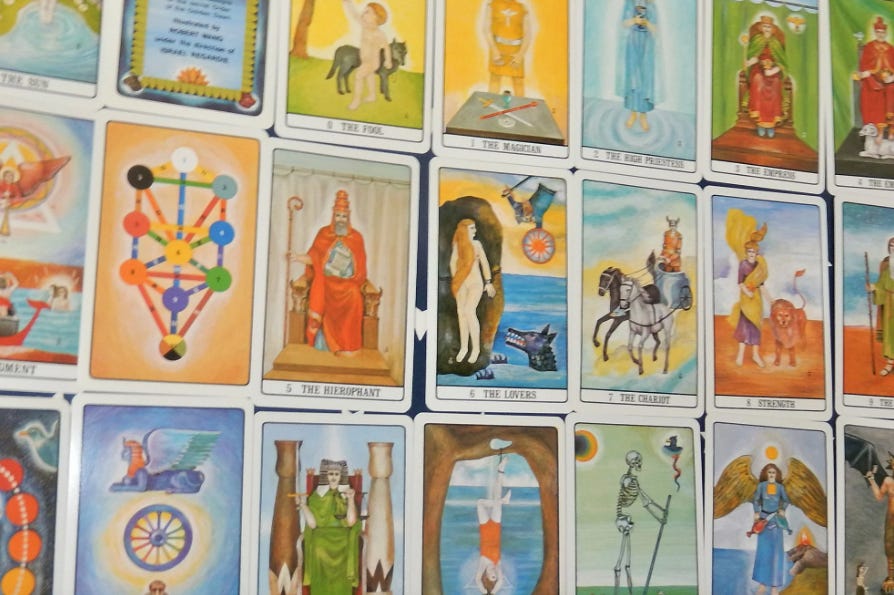
Tarot’s reputation as a repository of ancient mystical wisdom is a relatively recent construction. The images themselves originated in Renaissance Europe, but the belief that they conceal esoteric teachings from Egypt, Kabbalah, or other primordial traditions was shaped centuries later. To understand how tarot acquired this new identity, we must examine the intellectual and cultural forces of the eighteenth and nineteenth centuries—an era defined by … Continue reading The Occult Reinvention of Tarot: Enlightenment Speculation, Nineteenth‑Century Esotericism, and the Birth of a Modern Myth

The Wandering Bishop: Authority Without Architecture

Within the history of Christian ecclesiology there exists a relatively obscure yet conceptually revealing term: Episcopus vagans. Literally translated from Latin as “wandering bishop,” the phrase initially appears to denote little more than an irregular or marginal cleric operating outside recognized structures. However, from an institutional and juridical perspective, the figure of the wandering bishop illuminates a far more consequential phenomenon: the separation of sacramental authority from territorial jurisdiction. … Continue reading The Wandering Bishop: Authority Without Architecture

The Rider–Waite–Smith Revolution: How a Modern Deck Redefined Tarot

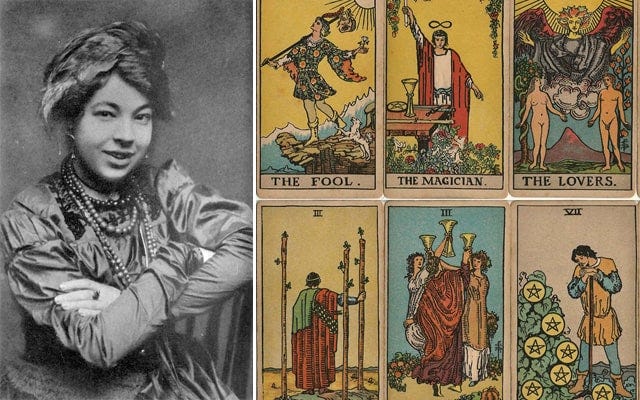
By the early twentieth century, tarot had acquired an elaborate symbolic scaffolding built by Enlightenment speculators, Romantic mystics, and the occult societies of Victorian Europe. Yet despite all these reinterpretations, the cards themselves had changed very little. Most readers still used Marseille-style decks with their plain pip cards and medieval iconography. If tarot was to become a genuinely readable system for the modern world—intuitive, accessible, … Continue reading The Rider–Waite–Smith Revolution: How a Modern Deck Redefined Tarot

Frankenstein’s Workshop: Time, Custody, and the Birth of Clockwork

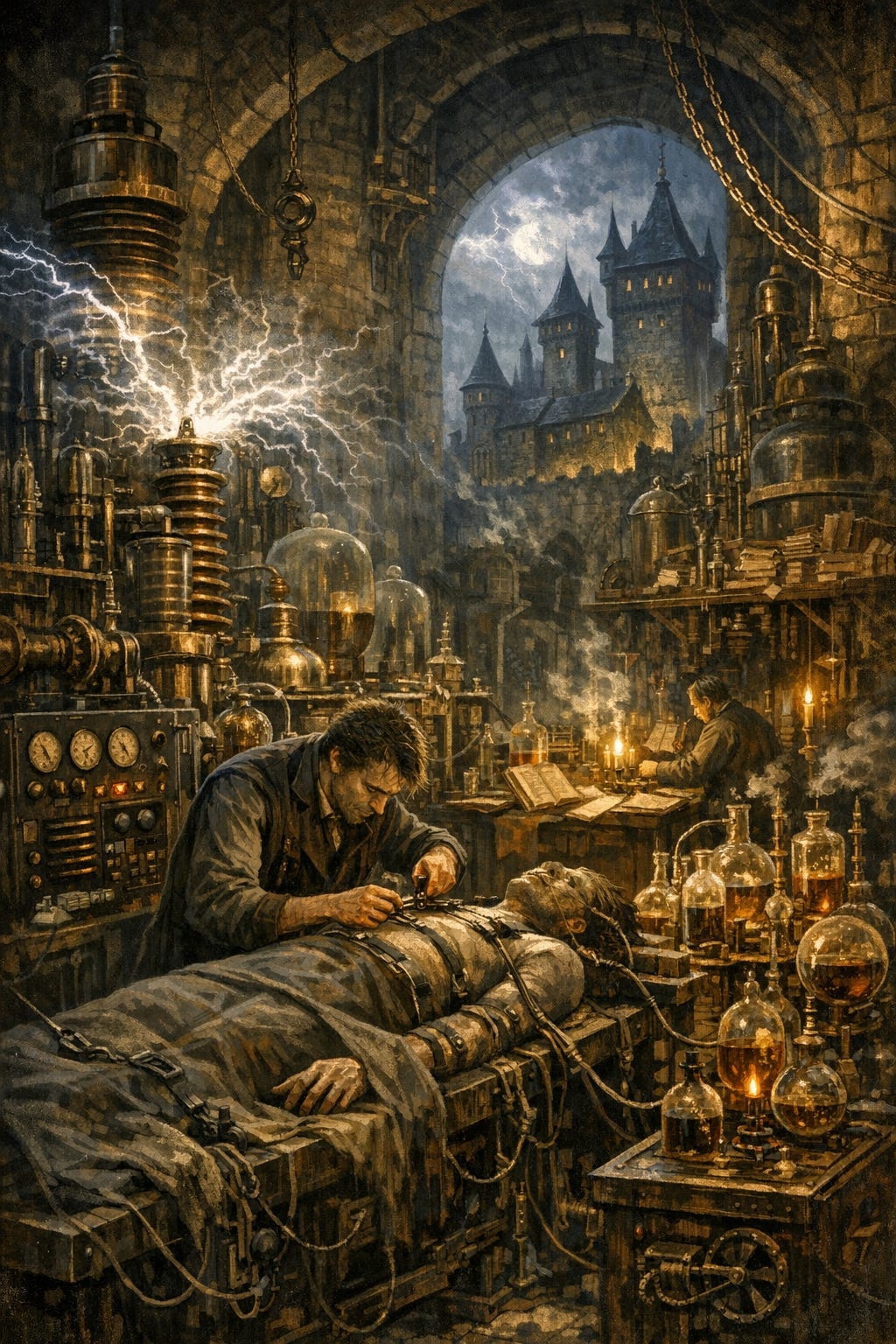
The enduring significance of Frankenstein does not lie in its depiction of life assembled from death, but in the institutional relocation of that act. Shelley situates creation not within a sanctuary but within a workshop—a space governed by instruments, procedures, calibration, and repeatability rather than sacrament or revelation. What is radical is not animation itself but jurisdiction: the claim that life, once the exclusive province of divine mediation, … Continue reading Frankenstein’s Workshop: Time, Custody, and the Birth of Clockwork

Tarot in the Digital Age: From Paper to Protocol, and the Emergence of a New Symbolic Ecology

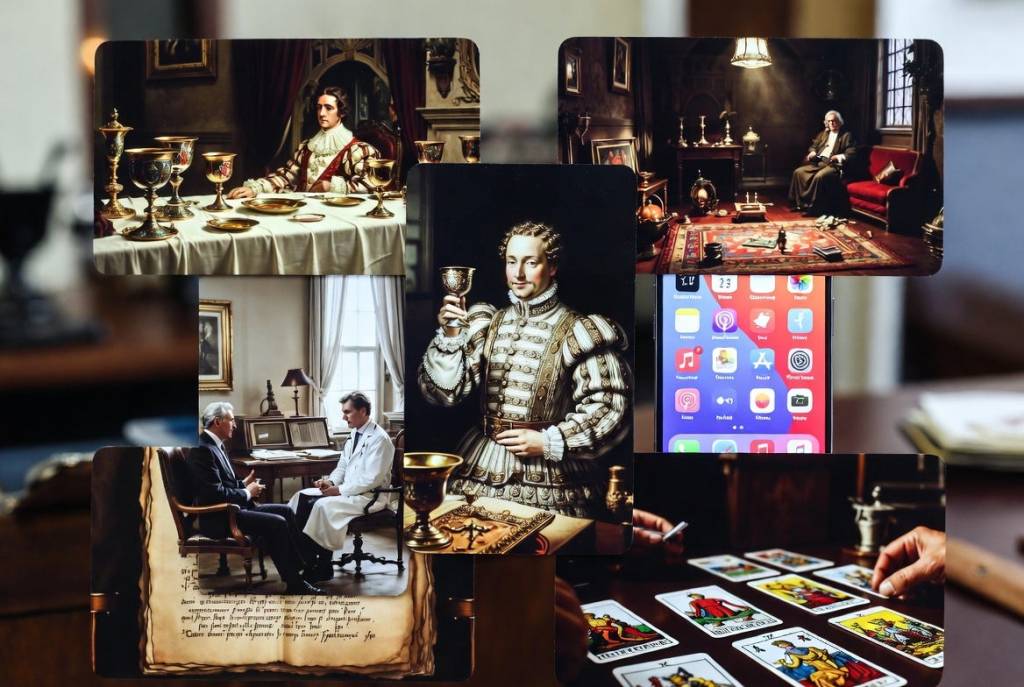
What the digital age ultimately reveals is not a break with tarot’s past, but the continuity of its underlying function. Across six centuries and multiple cultural transformations, tarot has remained a tool for negotiating uncertainty through images. Whether shuffled at an aristocratic table, studied in an occult lodge, interpreted in a therapist’s office, or tapped on a smartphone screen, the cards help people convert ambiguity … Continue reading Tarot in the Digital Age: From Paper to Protocol, and the Emergence of a New Symbolic Ecology

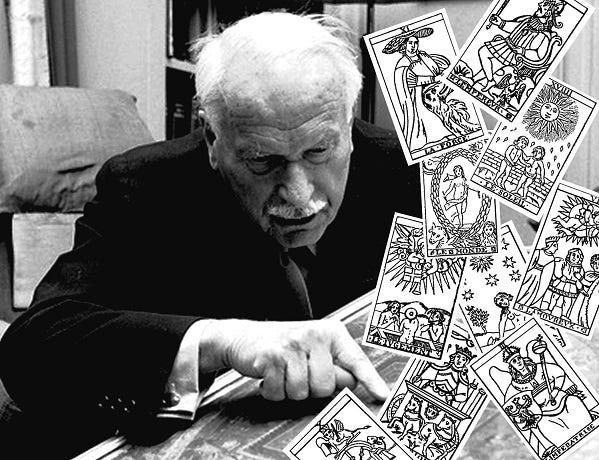
Tarot in the Modern Imagination: Psychology, Counterculture, and the Making of a Global Symbol System

By the dawn of the twentieth century, tarot had already passed through two major transformations. First, it emerged in Renaissance Italy as an elegant card game reflecting the allegorical imagination of its age. Then, centuries later, it was reinterpreted by Enlightenment amateurs and Victorian occultists who projected ancient lineages onto imagery never meant to bear such weight. But if tarot’s first life was cultural and … Continue reading Tarot in the Modern Imagination: Psychology, Counterculture, and the Making of a Global Symbol System

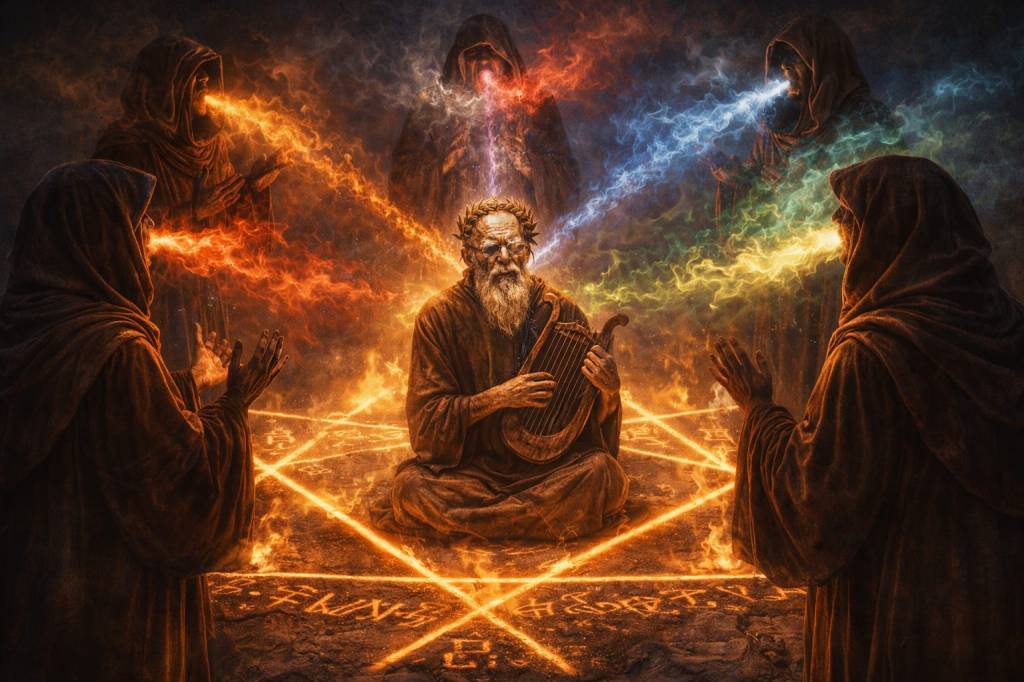
The Oracle Machine: Interpreters, Watchers, and the System That Shapes Reality

When people envision ancient “stargates,” they often imagine machinery—stone rings, luminous portals, or some form of technology inexplicably advanced for its historical context. But this imagery reveals more about modern technological assumptions than it does about ancient epistemologies. We project our own frameworks onto the past and assume that anything powerful must be mechanical. Yet ancient systems were not oriented around machinery. They were oriented … Continue reading The Oracle Machine: Interpreters, Watchers, and the System That Shapes Reality