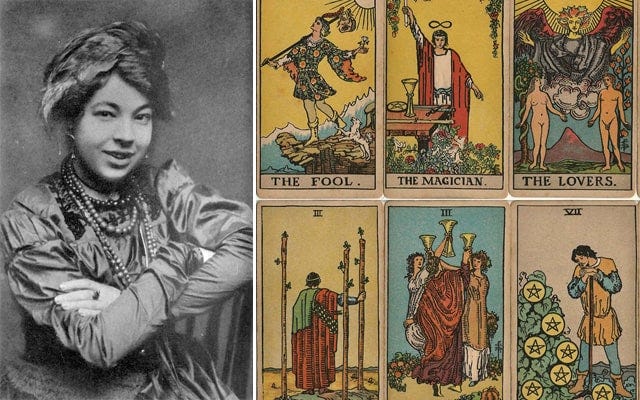
The Rider–Waite–Smith Revolution: How a Modern Deck Redefined Tarot

By the early twentieth century, tarot had acquired an elaborate symbolic scaffolding built by Enlightenment speculators, Romantic mystics, and the occult societies of Victorian Europe. Yet despite all these reinterpretations, the cards themselves had changed very little. Most readers still used Marseille-style decks with their plain pip cards and medieval iconography. If tarot was to become a genuinely readable system for the modern world—intuitive, accessible, … Continue reading The Rider–Waite–Smith Revolution: How a Modern Deck Redefined Tarot

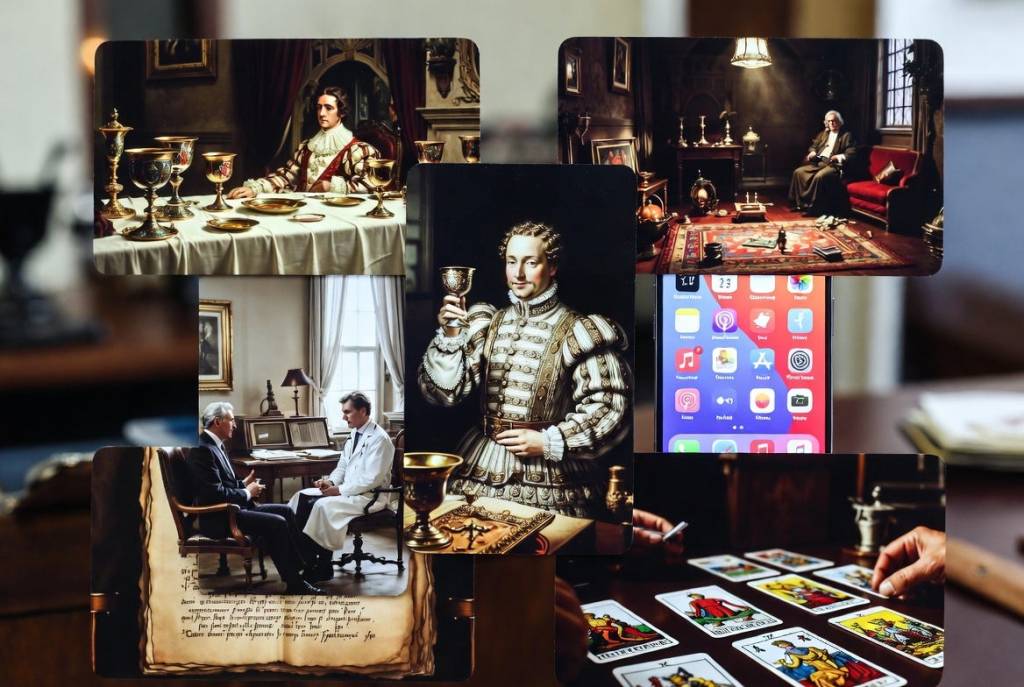
Tarot in the Digital Age: From Paper to Protocol, and the Emergence of a New Symbolic Ecology

What the digital age ultimately reveals is not a break with tarot’s past, but the continuity of its underlying function. Across six centuries and multiple cultural transformations, tarot has remained a tool for negotiating uncertainty through images. Whether shuffled at an aristocratic table, studied in an occult lodge, interpreted in a therapist’s office, or tapped on a smartphone screen, the cards help people convert ambiguity … Continue reading Tarot in the Digital Age: From Paper to Protocol, and the Emergence of a New Symbolic Ecology

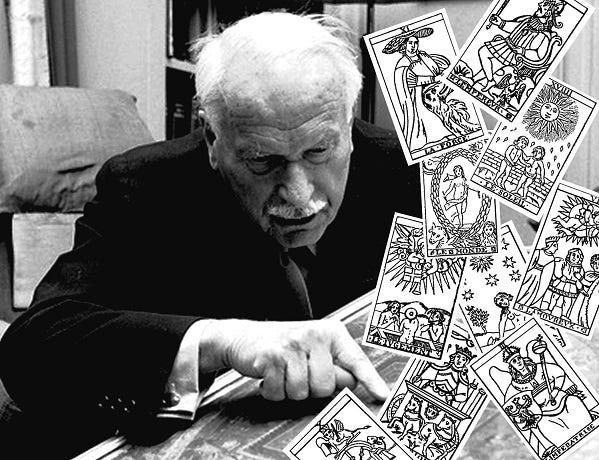
Tarot in the Modern Imagination: Psychology, Counterculture, and the Making of a Global Symbol System

By the dawn of the twentieth century, tarot had already passed through two major transformations. First, it emerged in Renaissance Italy as an elegant card game reflecting the allegorical imagination of its age. Then, centuries later, it was reinterpreted by Enlightenment amateurs and Victorian occultists who projected ancient lineages onto imagery never meant to bear such weight. But if tarot’s first life was cultural and … Continue reading Tarot in the Modern Imagination: Psychology, Counterculture, and the Making of a Global Symbol System