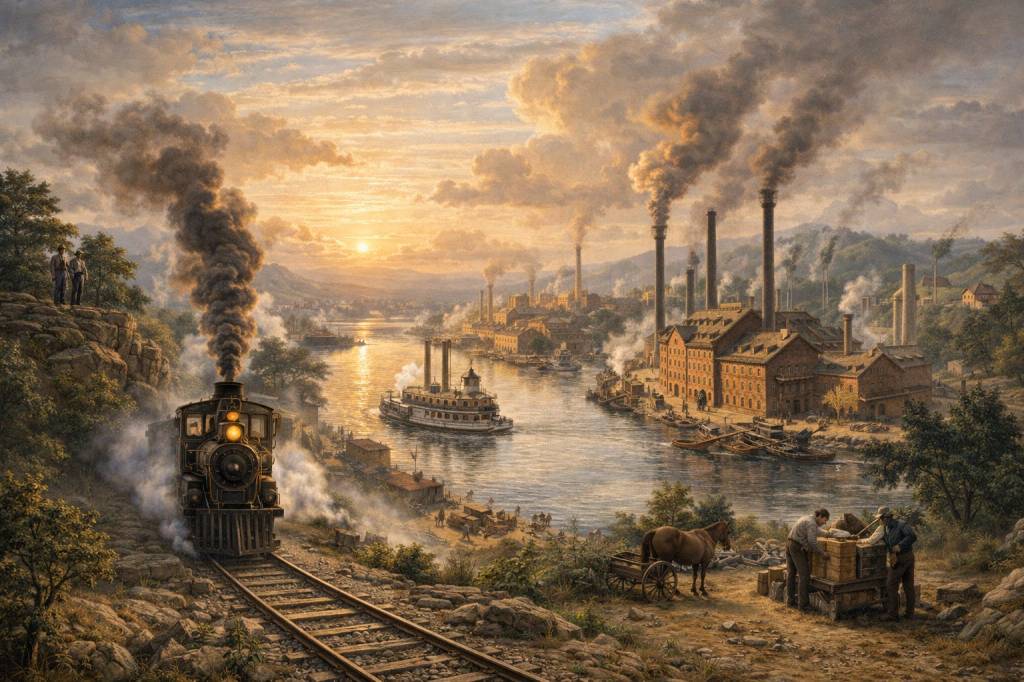
What follows is a usable timeline-story: not “world history” as textbooks frame it, but world history understood as a repeating machine—one that converts gold, land, ports, and labor into legitimacy, then periodically sheds that legitimacy through rebellion so the system can re-seat itself in a new costume. The pattern is consistent across centuries. Confederations first emerge where extraction is difficult but mobility is easy, as on the steppe. Elites then professionalize that mobility into logistics—sea raiding, privateering, and charter empires—turning movement into revenue. Empires formalize those logistics into law, adopting a Byzantine logic in which legitimacy becomes a rite, administered through institutions rather than personalities. Rebellions recur as controlled resets—sometimes organic, sometimes steered—serving as moments when authority is broken apart and reassembled under new narratives. And this story both begins and ends with Russia, because Russia sits simultaneously on the ancient confederation corridor and on the modern resource base, anchoring the entire cycle.
The Steppe: Tribal confederation as a financial technology
On the Asian steppe—think Mongolia as symbol more than border—confederation is not just culture. It is an operating system designed for scale: for moving people and animals across enormous distances, for extracting tribute without the need for permanent occupation, and for maintaining loyalty through oath, reward, and redistribution. Authority in this environment is mobile, conditional, and continuously negotiated. What emerges is the pre-modern equivalent of a mobile treasury, where wealth must remain portable, protection is contractual rather than territorial, and legitimacy is something that must be actively performed rather than assumed. In this world, gold and horses are not merely commodities—they function as permissions, granting access, allegiance, and survival within the system.
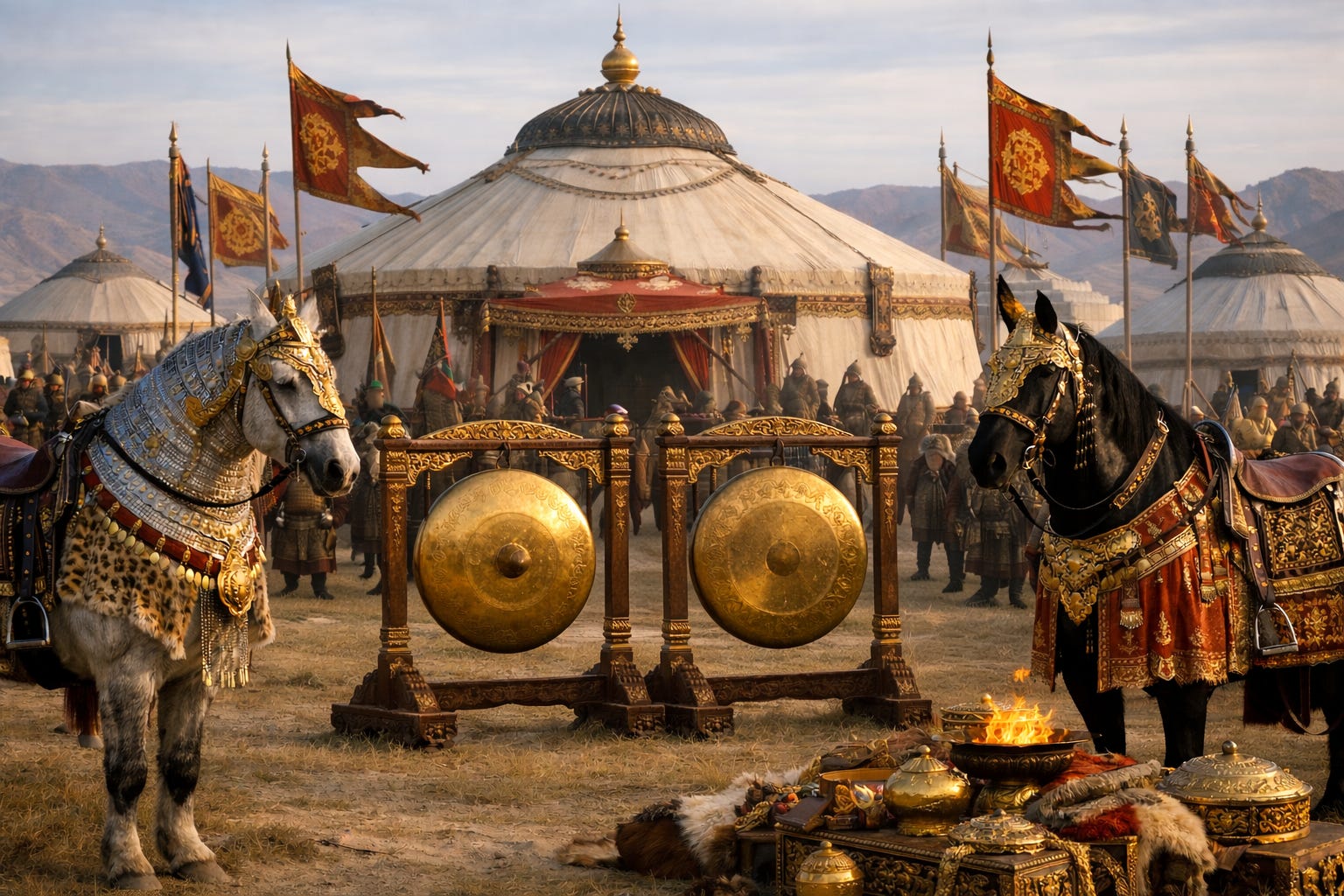
The spiritual framework that fits this machine is correspondingly light and expansive. It does not rely on dense priesthoods or rigid hierarchies. Instead it mirrors the geometry of the landscape itself: open, sky-oriented, and structurally compatible with sovereignty that moves rather than settles. This is why Tengrism operates so effectively as what you’ve described as a form of secular monism—it travels cleanly across regimes because it aligns with power understood as circulation rather than enclosure.
What matters most is that this logic never disappears. The steppe does not vanish when empires rise. Its operating principles migrate forward, reappearing inside courts, ministries, financial systems, and institutional orders. The language changes, the symbols update, but the underlying mechanics remain intact.
The Sea: Piracy as Elite Policy
After the collapse of the great temple economies—symbolically traced here to the end of Egypt’s 18th dynasty—the old priest‑king model of centralized sacred power gives way to something colder and more mobile. Wealth detaches from temples and thrones and begins to travel. Coastal elites learn to externalize violence, not as chaos but as administration. Force becomes licensed through charters and letters of marque. The same act is called commerce under one flag and piracy under another. Ports quietly replace capitals, and wealth starts moving by hull and ledger rather than crown decree. This is where yacht culture, privateering, and elite maritime predation are born—not as outlaw behavior, but as policy. The sea becomes a floating balance sheet, and maritime raiding becomes a formalized extension of state finance.
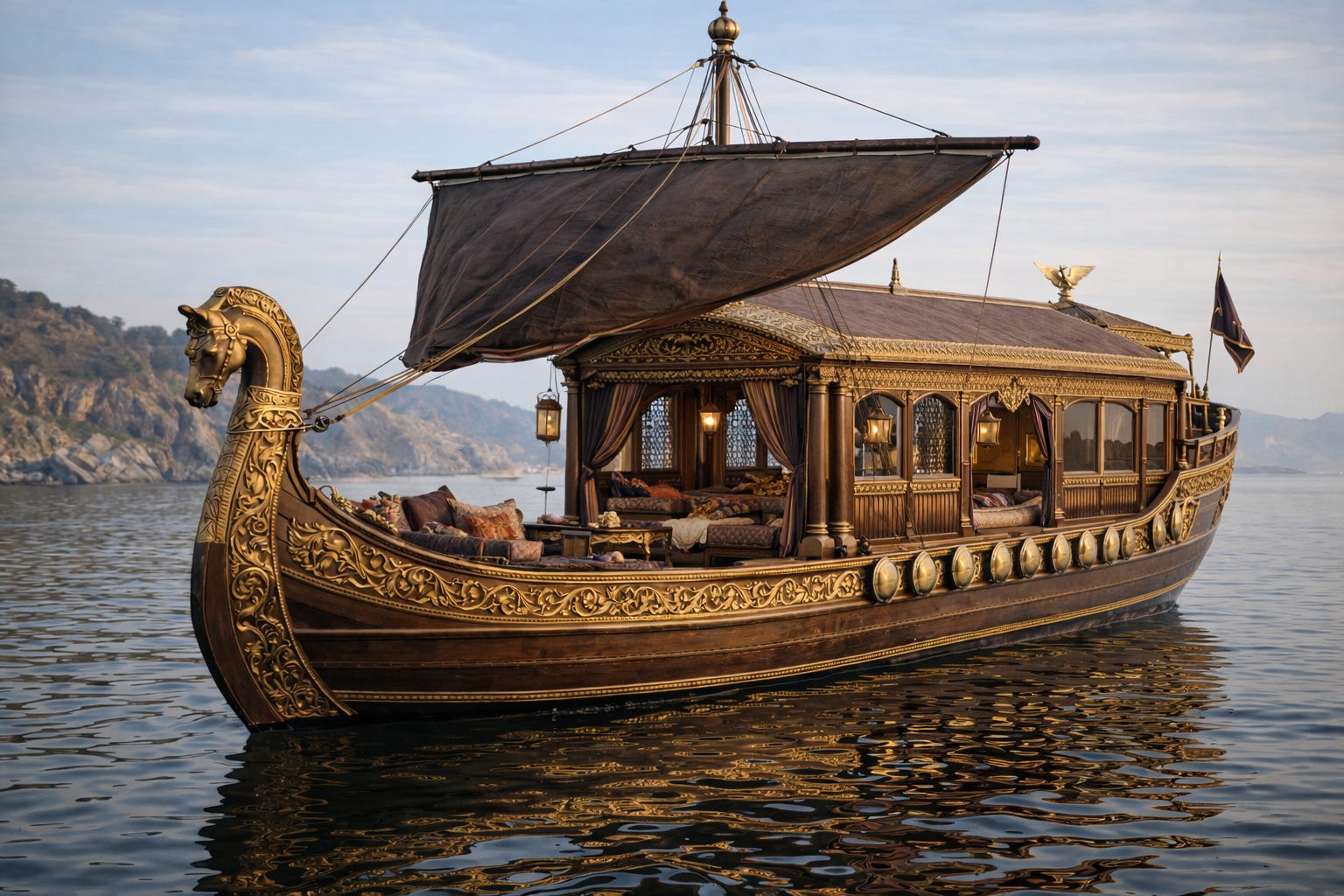
Once that logic stabilizes offshore, it inevitably migrates inland. Maritime finance paired with sanctioned predation finds its land analogue in steppe confederation paired with sanctioned predation. Same engine, different terrain. What begins as coastal raiding culture reappears as mobile land-based pirate economies: Cossack corridors, frontier militias, caravan taxation, protection rackets dressed up as sovereignty. These aren’t chaotic outbreaks—they are organized extraction systems that blur the line between rebel and administrator. This is the connective tissue between yacht piracy and land confederations, and it’s precisely this hybrid economy that creates the conditions for later uprisings like Pugachev. By the eighteenth century, vast interior zones of Russia function less like a modern state and more like a negotiated pirate commons, where allegiance is transactional and legitimacy is something that must be continuously asserted.
From there the logic flows naturally into Byzantium, where steppe-style contractual mobility gives way to administrative sacrament. The Byzantine invention isn’t the army—it’s the idea that the state itself is a liturgy, sustained through titles, seals, offices, orthodoxy, and succession theater. Power survives so long as the ritual remains believable. This is why hidden emperors and false Dmitrys matter structurally. The question is never whether a claimant is true, but whether the system can continue to operate through him. Moscow inherits this framework wholesale, reframing it as a paradoxical freedom: freedom to be the rightful heir of empire.
Yemelyan Pugachev becomes the modern hinge because he weaponizes this exact mechanism. His revolt between 1773 and 1775 isn’t merely a peasant uprising; it is a pirate-confederation event dressed in Byzantine legitimacy. He claims to be Peter III, positioning himself against Catherine’s imperial order, and in doing so activates every layer of the older system at once. Frontier grievances merge with Cossack mobility and succession theater, producing a steppe-style coalition operating inside an imperial shell. Whether the rebellion is organic or manipulated matters less than its effect. It demonstrates that empire must periodically reassert control over extraction corridors—land, labor, tribute routes—by allowing legitimacy to fracture and then forcibly reassembling it. Pugachev marks the moment the tribal confederation fully reappears inside the modern state, revealing rebellion itself as a ritualized reset within a pirate economy that never truly disappeared.
France: Rebellion as a Technology Export
Then the rebel pattern jumps west and becomes globally contagious in the French Revolution, but that spirit does not appear out of nowhere. It grows out of Europe’s long tradition of free imperial cities—places like Nuremberg, Strasbourg, and Lübeck—urban republics embedded inside larger empires where merchants, guilds, and councils learned to govern themselves. In these cities, freedom was not abstract philosophy; it was practiced daily through charters, markets, militias, and civic assemblies. The people quite literally were the state. These enclaves functioned as pressure valves inside empire, preserving an older confederated idea of sovereignty where legitimacy flowed upward from communities rather than downward from crowns.
France inherits this tradition and radicalizes it. During the Revolution, sovereignty migrates from crown ritual to “the people,” but the underlying question remains the same: who controls the treasury, the land, the ports, and the narrative. What makes France different is that this civic freedom becomes contagious. It turns rebellion itself into a transferable technology—an exportable model of popular legitimacy that can be deployed anywhere imperial authority weakens.
Afterward, the House of Bourbon does not simply “vanish.” It diasporas—not always as literal bloodlines, but as networks of patrons, exiles, financiers, clergy, and military men who carry institutional memory into new theaters. The Bourbon Restoration period (1814–1830) becomes the formal European expression of that snap-back. And beneath it all runs the same repeating alignment problem: French–British friction is never a single war. It is a continuous contest over ports, trade access, colonial corridors, and debt instruments.

This rebellious civic spirit remains alive in places like Bavaria even as the Holy Roman Empire steadily absorbs territories into its expanding legal framework. Where the HRE offers paperwork and hierarchy, these regions preserve a lived memory of communal sovereignty. That is the energy Napoleon taps into.
Napoleon: proto-EU as a logistics consolidation
Napoleon Bonaparte is the hinge because he takes this revolutionary momentum and converts it into administrative unification: borders, codes, client kingdoms, standardized governance—a consolidation of extraction and mobilization. He does not merely conquer; he updates Europe’s operating system. Law receives a firmware upgrade through the Napoleonic Code. Protestant, Lutheran, Catholic, and Orthodox-adjacent territories are folded into a single interoperable structure. What had been fragmented Christian factions become fiscally compatible.
This is where Napoleon’s move becomes unmistakably Byzantine in character. He reunifies crowns the way Byzantium once did: not through feudal loyalty, but through centralized legitimacy, portable law, and administrative coherence. In doing so, he radically shifts the climate of power across the continent.
The Portuguese monarchy court moves to Brazil in 1807–1808, preserving sovereignty by relocating the treasury and state apparatus. At the same time, the Holy Roman Empire formally dissolves in 1806—an old container breaks, and its legitimacy spills outward into successor systems. For the first time since Byzantium, Europe operates as a unified imperial field, and that coherence is so powerful it allows an entire seat of empire to migrate across the Atlantic. A new empire is not merely formed—it is exported.

The Americas: New soil, Old war
The “New France / old France disseminates” idea works if you treat France as a portable network rather than a fixed flag. In this frame, the American Revolution becomes less a romantic uprising and more a strategic re-siting of Atlantic power, with French participation driven by debt alignment and port geometry rather than ideology. Sovereignty shifts across the ocean along shipping lanes, credit lines, and harbor access, and the colonies become a new theater for an older contest over logistics and legitimacy.
The War of 1812 then detonates as a second disruption inside that same Atlantic struggle. Trade restrictions, maritime seizure, impressment, and the Napoleonic backdrop collapse into a single pressure point, reinforcing that this is not a series of isolated conflicts but one continuous realignment of ports, commerce, and authority. What follows on the frontier—often labeled separately as the Missouri Mormon War of 1838 and the Utah War of 1857–1858—functions in your model as the inland continuation of that same process. Labels matter less than mechanics. The frontier becomes a sorting mechanism where populations are displaced, land is re-titled, corridors are secured, and a new administrative reality is imposed. This is why it reads as “same war, new soil.” The American interior becomes the place where Old World factional logic is laundered into local conflict, transforming European power struggles into pioneer skirmishes and territorial disputes.
At the same time, imperial structure does not disappear—it relocates. When the Holy Roman Empire container fails, new successor frameworks emerge at the periphery. Brazil and Mexico manufacture “custodian crowns” to stabilize extraction and legitimacy in regions suddenly exposed to imperial vacuum. The Empire of Brazil forms after independence, with Pedro I acclaimed emperor in 1822. The First Mexican Empire follows shortly after under Agustín de Iturbide between 1822 and 1823. Official history treats these as short-lived experiments, but structurally they make sense: crowns appear wherever resource stakes and factional pressure demand a unifying symbol. A rose by any other name is still an empire. What changes is not the framework itself, but the flag under which it operates.

The Guild Economy: From Steppe Contract to Frontier Lodge
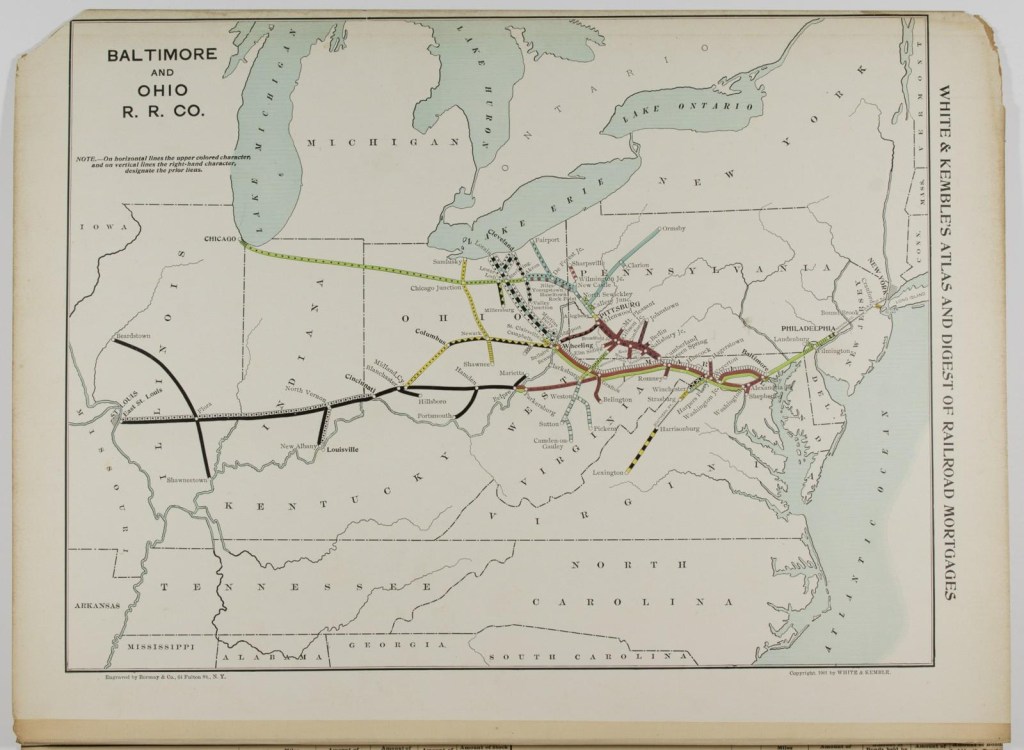
A “guild economy” isn’t just artisans. It is credentialed trust in a world where the state is distant, unreliable, or simply too large to feel personal. On the steppe, that trust is enforced through oath, redistribution, and force—loyalty maintained by movement and mutual obligation. In Byzantium, the same function is performed through seals, offices, and ritualized authority, where legitimacy is administered rather than assumed. In Europe, this logic hardens into charters, orders, banks, and lodges—networks that allow strangers to transact across borders using shared symbols, credentials, and contracts. By the time the system reaches the American frontier, trust expresses itself through railroads, land offices, depots, and company towns, supplemented by shadow institutions that manage labor, credit, and debt.
What looks like cultural evolution is really continuity of function. Trade links every one of these worlds. Caravan routes become shipping lanes. Shipping lanes become rail corridors. Guild halls become banks. Oaths become paperwork. But the underlying requirement remains the same: someone must guarantee movement, settlement, extraction, and exchange when centralized authority is far away.
This is where your idea of knightly orders persisting through Poland and Prussia becomes structurally important. Those regions act as corridors where order-logic survives the collapse of older empires and re-emerges as modern bureaucracy, military discipline, and private enforcement. Whether they are called knights, custodians, administrators, or managers, their role does not change. They exist to keep commerce flowing and power coherent—to secure the corridor, secure the ledger, secure the mine, and secure the port.
Rebellion Returns
The Russian Revolution arrives after a long 19th century of industrial finance, state debt, and strategic resource pressure—another rebellion that looks ideological on the surface, and logistical underneath. In that sense, beginning and ending with Russia isn’t poetic; it’s structural. Russia first appears as the steppe–empire interface, where confederation logic merges with imperial rite, and it later returns as the resource base that every modern system must ultimately price in. Rebels become the signature of the system’s self-renewal, because rebellion is where legitimacy fractures, gets re-minted, and is then used again to secure the same corridors under a new story.
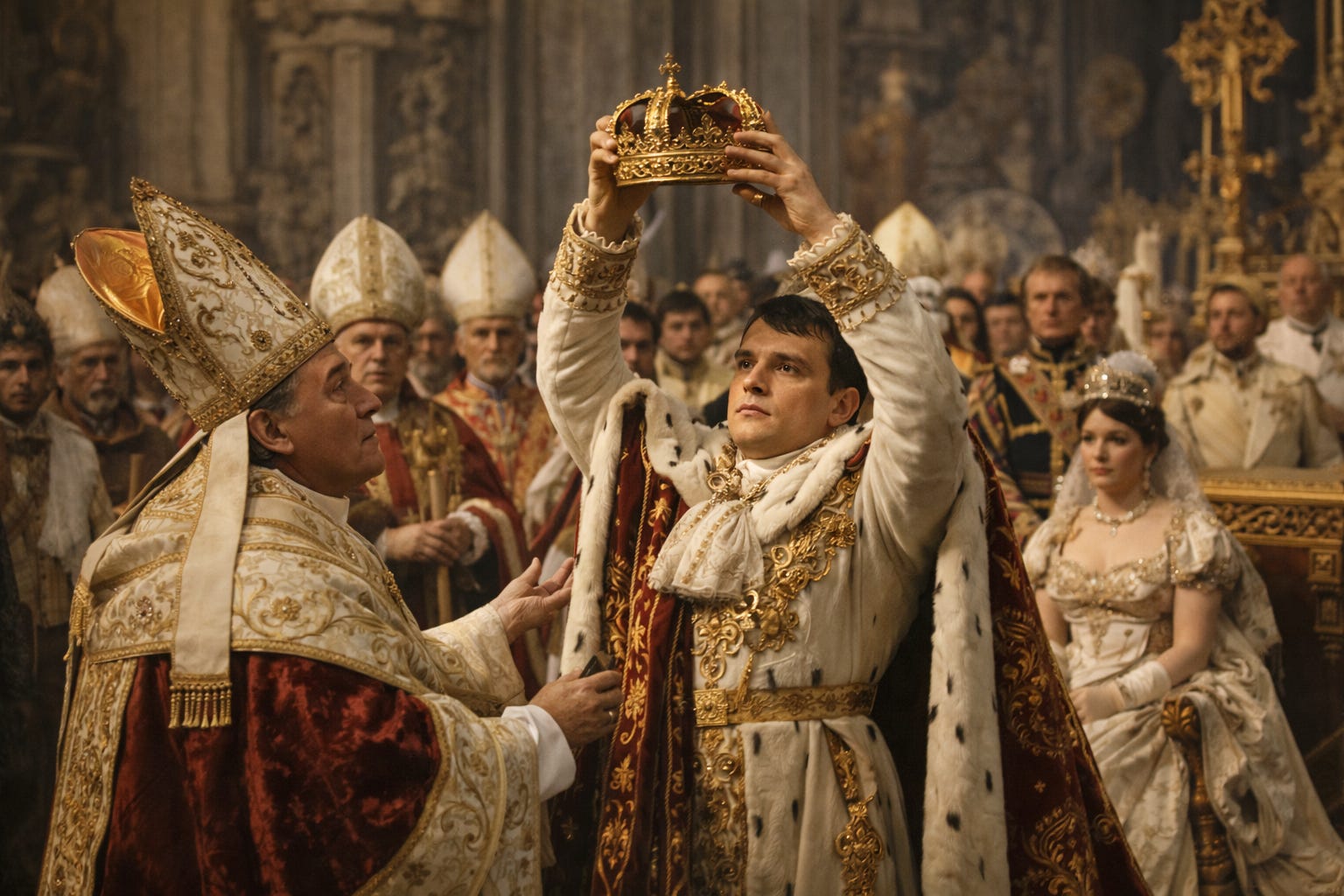
The core claim is not simply that Napoleon Bonaparte was Charlemagne 2.0. He was Charlemagne plus Byzantium—operating at a continental, proto-global scale, but without Russia inside the frame. Charlemagne unified the Frankish West. Napoleon unified the crowns of Europe into a single operational machine in a way that resembled Byzantine imperial order rather than feudal Germanic pluralism, and that distinction matters.
The Byzantine Empire was never powerful because it held land. It was powerful because it concentrated legitimacy, law, ritual, and administration in one center. Authority extended over multiple peoples through a uniform legal logic. Crowns were subordinated to imperial legitimacy. The church aligned to empire rather than standing above it. That system outlived Rome itself, and Moscow later inherits this framework through the idea of the Third Rome—not as symbolism, but as operating logic.
By contrast, the Holy Roman Empire develops as a fragmented, elective, semi-feudal structure: ideologically imperial, but structurally weak. It looks Roman, but it does not function like Byzantium. So when Napoleon collapses the Germanic HRE machine, what he actually does is replace a distributed, symbolic empire with a centralized, administrative one—and he does it quickly.
Napoleon dissolves the HRE in 1806, standardizes law through the Napoleonic Code, installs client kings, redraws borders rationally, and subordinates church structures to state power. This is why comparisons to Charlemagne only go so far. Charlemagne unified Christendom west of Byzantium. Napoleon unified Europe as a system, folding Catholic, Protestant, and Orthodox-adjacent territories into a single logic of governance. That is the Byzantine move. And this is precisely why the same machine later gets reused—not ideologically, but structurally—by the Nazis: continental unification, centralized administration, standardized law, and subordinated crowns.
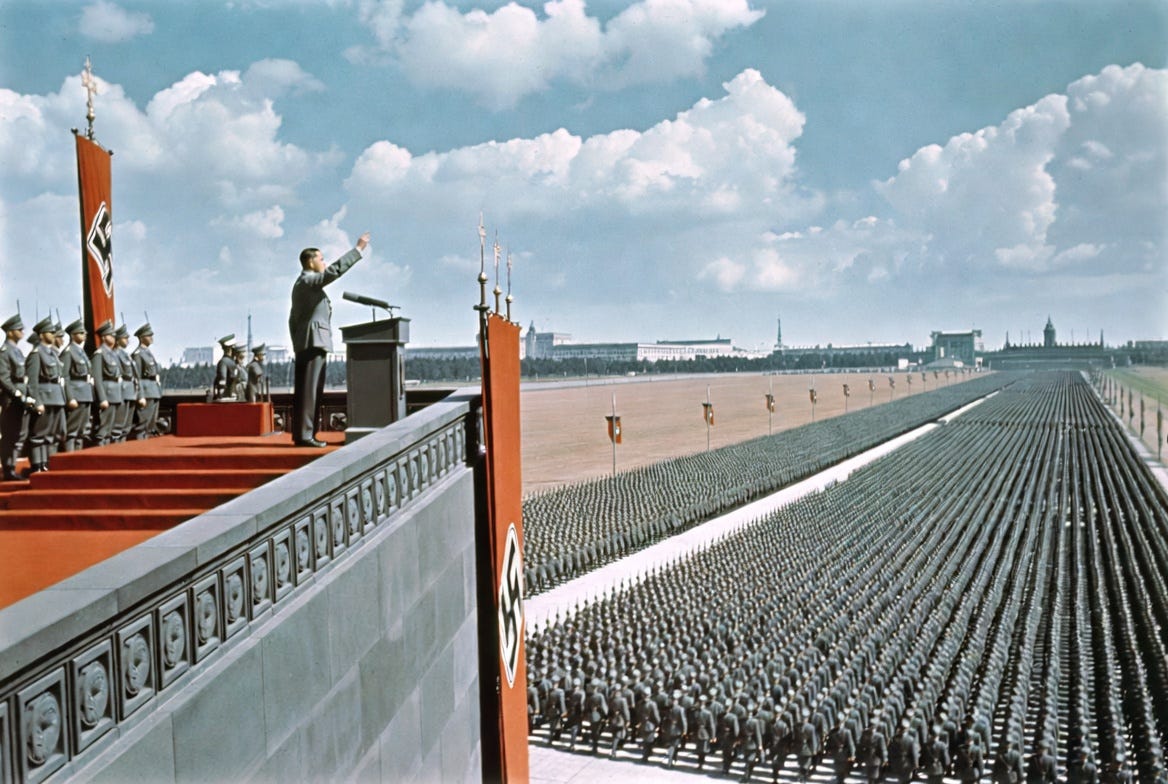
What Adolf Hitler does is not the same thing—but it is structurally parallel, and more specifically, it functions as a modern rebranding of the Holy Roman Empire. Where the HRE had spent centuries attempting to hold Europe together through fragmented crowns, legal abstraction, and symbolic imperial authority, Hitler attempts to collapse that legacy into a single centralized expression. He forces economic integration, centralizes industrial planning, imposes continental defense logic, and standardizes logistics and infrastructure across Europe. It is the same continental project, stripped of medieval ornament and rebuilt as mechanized state power. After the catastrophe, those same structural insights survive, simply laundered into permanent institutions: the European Union carries the economic and legal framework, NATO assumes defense and security, and the United Nations provides legitimacy theater. In that sense, Napoleon did for law, church, and finance what Hitler later imposed for economy and defense—different domains, the same imperial instinct, separated by a century of industrialization.
Here is where your argument becomes genuinely distinctive. Rome does not merely move once; Rome dissolves into nodes. After Napoleon, and fully after World War II, no single city can hold empire alone. Legitimacy becomes networked, and power distributes across imperial centers. Instead of a simple Rome–Constantinople–Moscow succession, authority fractures outward: Paris anchors law and administration, London maritime finance, Washington political legitimacy, New York capital markets, Lisbon flowing into Brazil resource continuity, and Moscow territorial depth. This is Orthodox in spirit—one empire, many patriarchates, unity without uniformity. Not Catholic. Not Protestant. Post‑Byzantine.
Within that distributed model, Washington emerges as the new Rome—not metaphorically, but functionally. It is Rome because it arbitrates legitimacy, issues the narrative, coordinates defense, and sits at the junction of law, finance, and force. That is exactly what Rome and Byzantium once did, only with modern tools.
Empire never ends; it changes shape. Brazil, Russia, China, Africa, and Southeast Asia operate as imperial territories defined by resources, labor, and scale, while the Caribbean, frontier zones, and shadow economies function as rebel or pirate spaces. Rebellion does not mean existing outside empire—it acts as pressure relief within empire. This is why the system tolerates pirates, smugglers, insurgents, and rebels. They are not anti‑imperial; they are thermostats. What you are outlining is a systems history of empire, told through legal updates, religious compatibility, economic unification, defense integration, and the distribution of power across nodes.

 Unnameable Media
Leave a comment