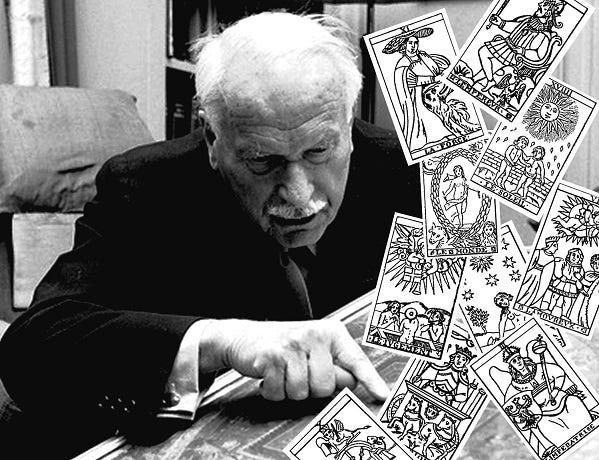
The Oracle Machine: Interpreters, Watchers, and the System That Shapes Reality

When people envision ancient “stargates,” they often imagine machinery—stone rings, luminous portals, or some form of technology inexplicably advanced for its historical context. But this imagery reveals more about modern technological assumptions than it does about ancient epistemologies. We project our own frameworks onto the past and assume that anything powerful must be mechanical. Yet ancient systems were not oriented around machinery. They were oriented … Continue reading The Oracle Machine: Interpreters, Watchers, and the System That Shapes Reality

The Crown Circuit: Monarchy, Watchers, and the Human Time Machine

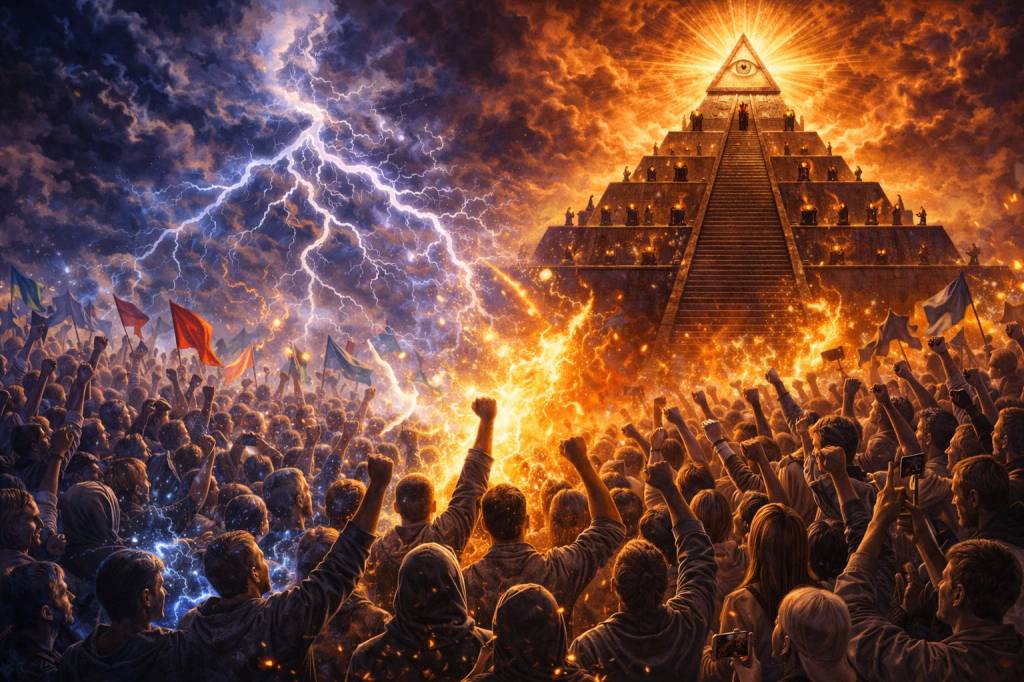
When we talk about power today, we almost always default to the wrong shape. We imagine pyramids: chains of command, top‑down hierarchies, a Don at the top and soldiers beneath, authority flowing downward like gravity. That model feels intuitive, but it fails to capture how durable power actually operates in complex societies. Pyramids describe management. They do not describe sovereignty. The older model is not … Continue reading The Crown Circuit: Monarchy, Watchers, and the Human Time Machine

Gold, Purple, and Wind: Reading the Catalan Atlas

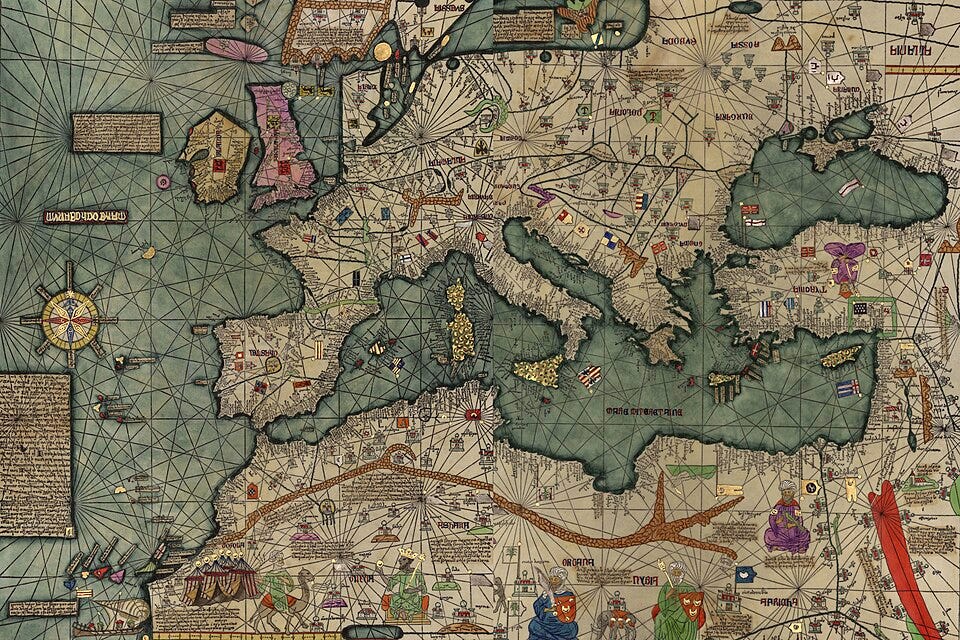
The Catalan Atlas is conventionally classified as one of the great achievements of medieval cartography, yet this designation significantly understates both its function and its intellectual ambition. The Atlas is neither a neutral geographic representation nor a purely navigational instrument intended solely for maritime use. Rather, it operates as a synthetic visual schema: a deliberately compressed articulation of political authority, juridical legitimacy, technological capability, and patterns of economic … Continue reading Gold, Purple, and Wind: Reading the Catalan Atlas

Reconsidering Tartaria: Frontier Confederations, Erased Institutions, and the Myth of the Lost Empire

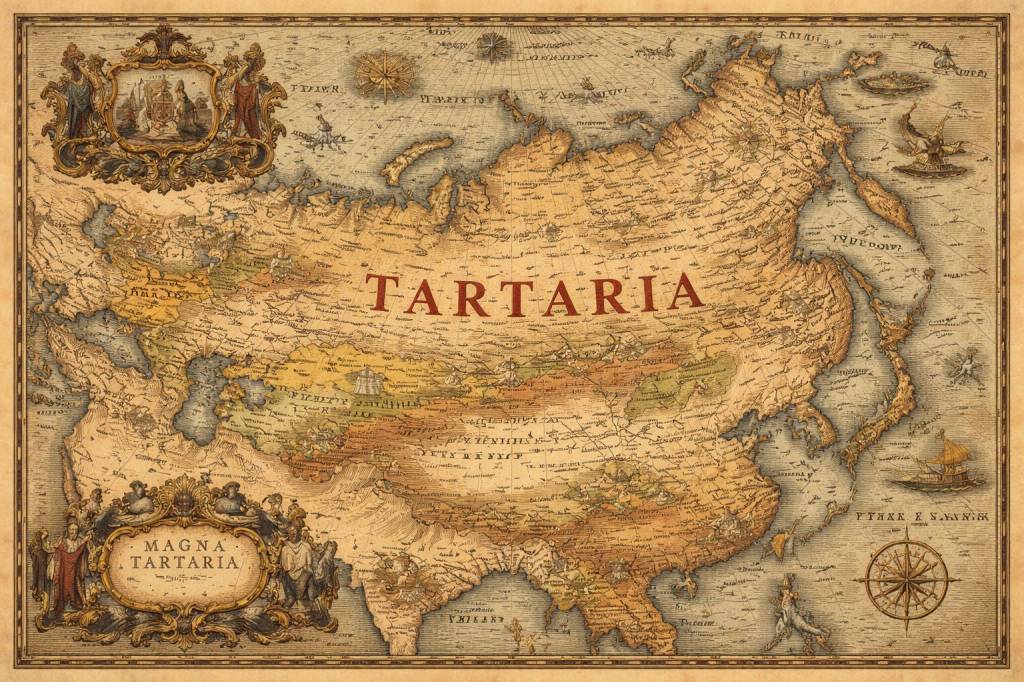
The continued appeal of the Tartaria idea should not be read as proof of a lost global empire erased by some hidden catastrophe. Instead, it reflects a real and well‑founded unease with the historical record itself: gaps in archives, sudden architectural discontinuities, and abrupt breaks in institutional memory that appear too systematic to be accidental. These irregularities are most visible in frontier regions—zones of trade, … Continue reading Reconsidering Tartaria: Frontier Confederations, Erased Institutions, and the Myth of the Lost Empire